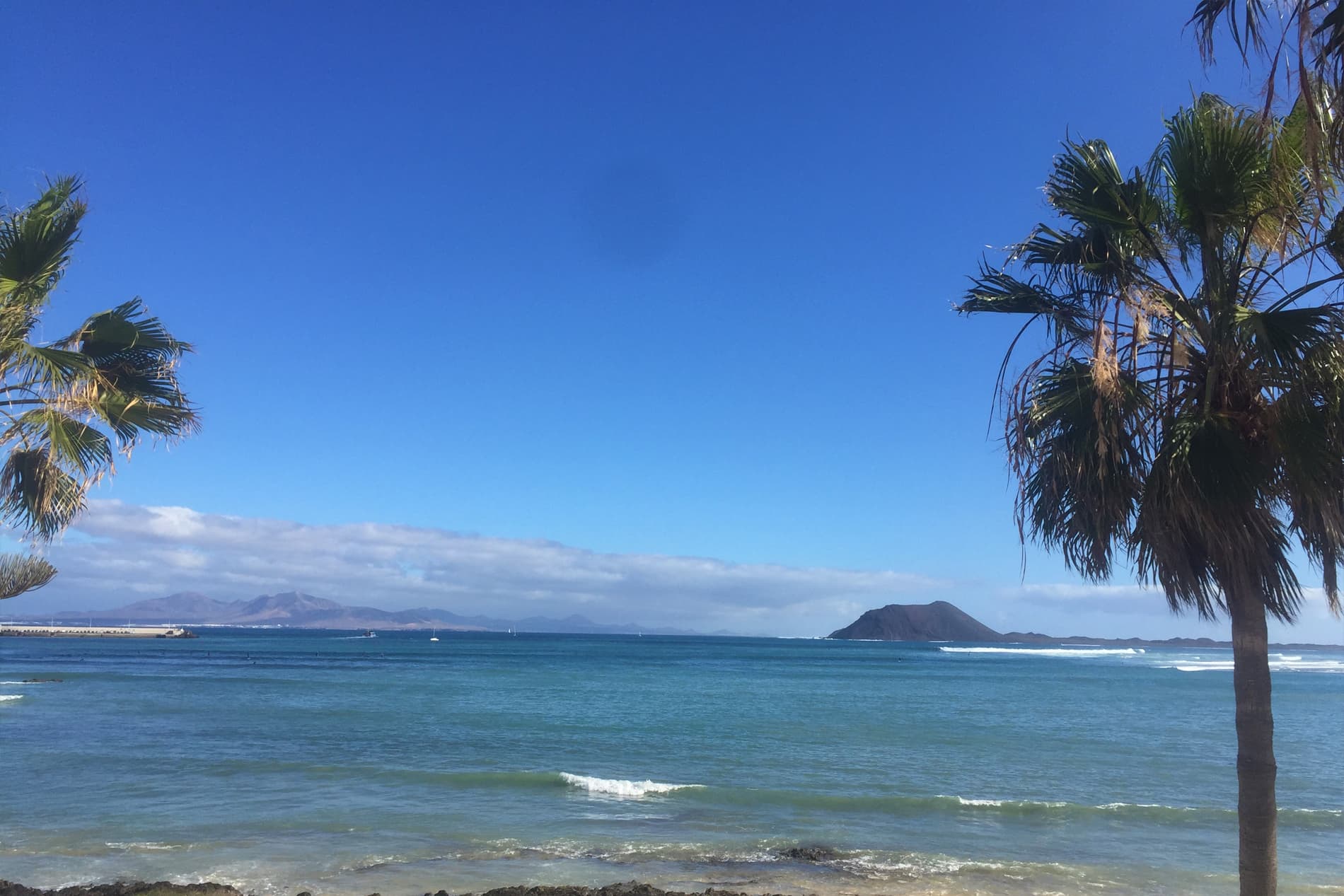
The deep waters around Fuerteventura are home to over 30 species of whale and dolphin year-round. Here's how to make the most of one of the Atlantic's great wildlife spectacles.
The Canary Islands Cetacean Corridor
The Canary Islands sit astride one of the most important cetacean habitats in the Atlantic. The deep ocean trench that runs between the islands — reaching depths of over 3,000m in places — creates ideal conditions for the large deep-diving species that congregate here. Add to this the year-round warm waters and rich upwellings from the African coast, and you have a remarkably productive marine environment.
Fuerteventura is particularly well-positioned — the deep waters between the island and Gran Canaria to the south are a core habitat for both resident and migratory species. Unlike whale watching in many destinations, where you might travel hours for a fleeting glimpse, the Fuerteventura experience is often characterized by long, close, unhurried encounters.
Species You Might See
Short-finned pilot whales: The most reliable sighting. Pods of 10–50 pilot whales are encountered on most trips — they're sociable, relatively slow-moving, and often curious about boats. Watching a pod of these magnificent animals surface synchronously is one of the great wildlife experiences in Europe.
Bottlenose dolphins: The classic dolphin — large, intelligent, and acrobatic. Bow-riding beside the boat and leaping clear of the water is standard behaviour. Almost always spotted on tours.
Atlantic spotted dolphins: Smaller than bottlenose dolphins and slightly less common, but incredibly energetic — they put on spectacular aerial displays when conditions suit.
Loggerhead sea turtles: Not cetaceans, but regularly seen basking at the surface on calmer days. Ancient, serene, and beautiful.
Sperm whales: The largest toothed whale on the planet occasionally visits these waters. A sighting of a sperm whale — often seen logging at the surface before a deep dive, the distinctive blow visible kilometres away — is genuinely unforgettable.
Bryde's whales and fin whales: Less common but present in these waters, particularly in winter. A fin whale sighting — these are the second-largest animals on Earth — leaves even experienced wildlife watchers speechless.
Best Tours from Corralejo
Several operators run dedicated whale and dolphin watching tours from Corralejo harbour. Look for those that:
- Have a marine biologist on board to narrate the experience
- Follow the BDMLR/ACCOBAMS responsible watching guidelines (maintaining safe distances and limiting engine use near animals)
- Offer semi-rigid inflatables (RIBs) for a more immediate, closer-to-the-water experience, or larger catamarans for stability and comfort
Trips typically last 3–4 hours and cost €35–€60 per adult, €20–€35 per child. Morning departures tend to see calmer seas.
Responsible Wildlife Watching
The wellbeing of the animals should always come first. Responsible operators maintain minimum distances, never pursue animals, limit the time spent with any group, and switch off engines when stationary near wildlife. If you encounter an operator who seems to prioritise the photo opportunity over the animals' welfare, consider taking your business elsewhere. The cetaceans in these waters are here because they've been protected — it's a responsibility we all share.
Combining Wildlife with Your Holiday
A whale-watching trip makes an excellent half-day excursion that leaves the afternoon free for beach time. Our Corralejo villas are a five-minute walk from the ferry terminal and harbour where most tours depart. Book your Corralejo base →