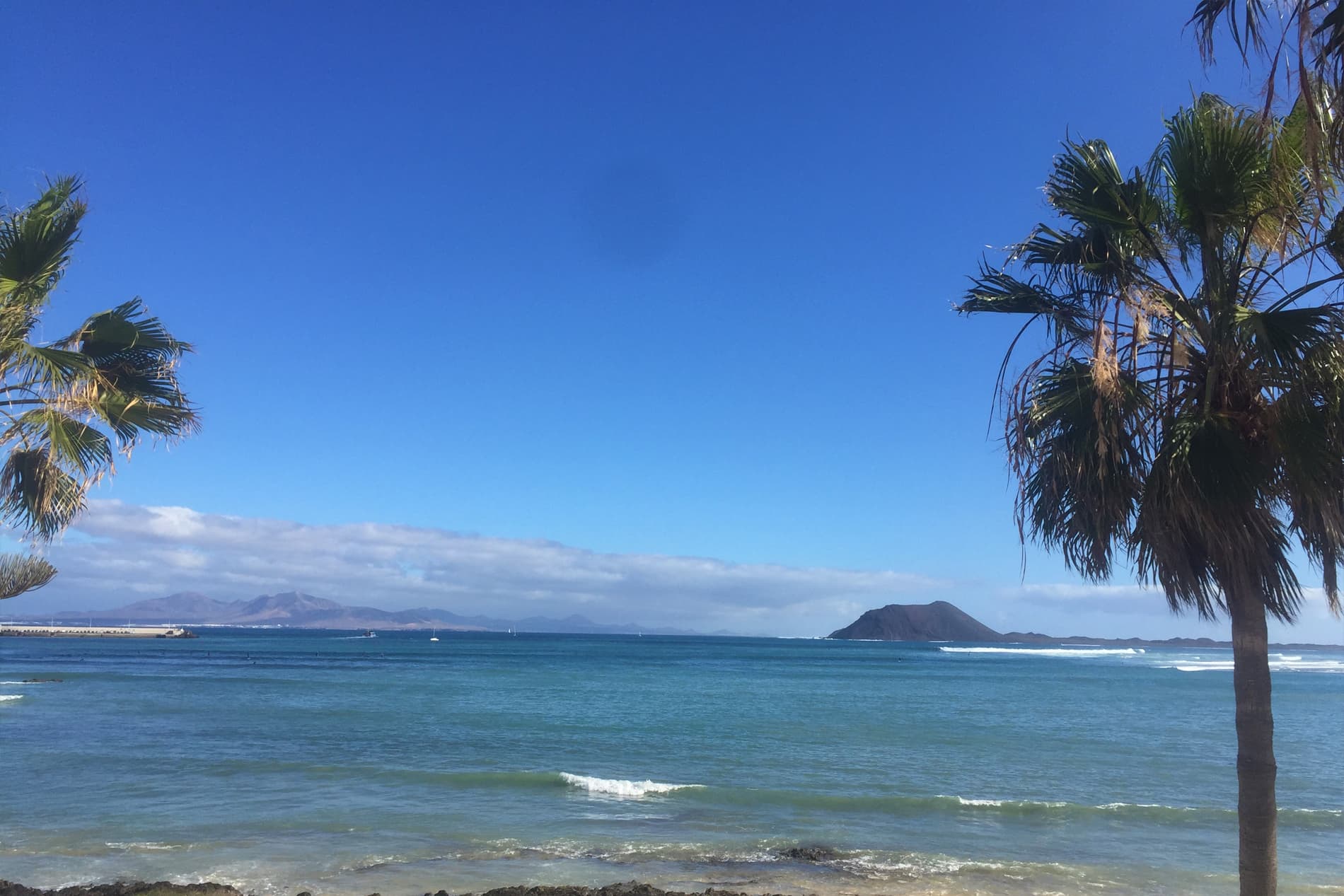
Flag Beach, Sotavento, consistent trade winds of 20–35 knots, and over 30 certified schools — Fuerteventura has earned its reputation as Europe's kitesurfing capital. Here's everything you need to know.
Why Fuerteventura for Kitesurfing?
Three factors conspire to make Fuerteventura exceptional for kitesurfing: geography, wind, and infrastructure. The island sits directly in the path of the north-east trade winds that blow reliably from May through October, with side-shore conditions ideal for kitesurfing at most beaches. The island's volcanic landscape funnels and accelerates wind through gaps in the terrain, creating local spots with even stronger, more consistent gusts.
The second factor is the variety of conditions on offer. You can find flat-water lagoons for beginners, cross-wind beaches for free-riding, open-ocean swells for wave-riding, and everything in between — often within a short drive of each other.
The third factor is the mature infrastructure. Fuerteventura has been a kitesurfing destination for over 25 years and there are now more than 30 IKO-certified schools on the island, plus equipment rental, repair services, coaching apps, forecasting stations, and an entire community of kiters to learn from.
Flag Beach: The Heart of It All
Playa de la Bandera — Flag Beach — 4km south of Corralejo town is the spiritual home of kitesurfing in Fuerteventura. The beach is long, wide, and backed by the protected dunes of the Corralejo Natural Park. The wind here is almost always cross-shore or cross-onshore, which is the safest and most comfortable direction for kitesurfing. The water is shallow for 50–100m offshore, then gradually deepens.
Conditions at Flag Beach: Wind direction NE-N, speeds typically 15–30 knots June–September. Flat to small chop. Suitable for all levels. Multiple school launch areas clearly marked. Lifeguards present in season.
Sotavento: World Cup Territory
The Sotavento lagoon on the south-east coast is where the professionals come to compete. The annual PWA Kitesurf & Windsurf World Cup has been held here for decades, and watching the world's best riders tear across the lagoon is a spectacle in itself. The lagoon forms at low tide — a vast, shallow, flat expanse of warm water ideal for technical riding and tricks. At high tide the sandbar submerges and conditions shift to open-water wave riding.
Best for: Intermediate to advanced riders, especially those wanting to work on flat-water tricks or racing. Several schools operate in the area during season.
Other Top Kitesurfing Spots
El Cotillo: The west coast village of El Cotillo picks up a different wind direction (southerly Levante winds) that can produce excellent side-shore conditions when the north wind isn't blowing. This makes it a useful alternative when Flag Beach is cross-offshore or too strong. The wave quality here is generally higher, attracting wave-riding specialists.
Corralejo Town Beach (south end): Less crowded than Flag Beach with a slightly different angle — useful when the main spots are packed in high season.
Playa del Moro: Slightly more sheltered, often used by beginners on their first days on the water when conditions at Flag Beach are a little too energetic.
Kitesurfing Schools in Fuerteventura
With so many schools competing for business, standards are generally high. Look for IKO (International Kiteboarding Organization) certification when choosing an instructor. Most offer:
- Beginner course (9–12h): €280–€420 depending on group or private tuition
- IKO Level 2 progression course: For those who can ride upwind and want to work on jumps and transitions
- Equipment rental: €50–€80/day for full kit (kite, board, bar, harness)
- Refresher sessions: For those returning after a break
Book schools in advance for July and August — spots fill up quickly, especially for private lessons.
Kitesurfing Tips for Your Fuerteventura Trip
Check the wind forecast at Windguru or Windfinder before heading to the beach — the dedicated Fuerteventura/Corralejo stations are highly accurate. North and NE winds are your friend; south (Calima) winds bring dust from the Sahara and often unstable, gusty conditions that even experienced riders treat with respect. Always tell someone on the beach where you're going, carry a charged phone in a waterproof case, and ride with a buddy if possible.
Where to Stay for Kitesurfing
Corralejo is the obvious base — you're 10 minutes from Flag Beach and in easy reach of every school, rental shop, and repair service on the north coast. Our villas have outdoor rinse areas for equipment and plenty of storage space for boards and kites. View our Corralejo villas →