Tutto il necessario per una vacanza perfetta a Fuerteventura — da quando partire a come spostarsi, dalle spiagge più belle alle attività e alla cucina locale. La guida definitiva 2025.
Fuerteventura in Breve
La seconda isola delle Canarie per estensione con i suoi 1.660 km², Fuerteventura sorge nell'Oceano Atlantico a soli 100 km dalla costa del Marocco. La sua posizione così vicina all'Africa le garantisce il primato di insolazione di tutta la Spagna — oltre 3.000 ore di sole all'anno — mentre le origini vulcaniche hanno modellato un paesaggio aspro e bellissimo, fatto di montagne ocra, antichi crateri e dune infinite. L'isola è Riserva della Biosfera UNESCO, celebre per il suo straordinario ambiente naturale, i venti alisei costanti che ne fanno la principale destinazione europea per gli sport del vento, e spiagge che spaziano dai litorali più frequentati delle zone turistiche fino a coste atlantiche selvagge e incontaminate.
Quando Andare
Destinazione tutto l'anno. Le temperature medie vanno dai 18–22°C invernali ai 26–30°C estivi, con l'acqua del mare che segue un andamento simile (18–24°C).
Luglio–Settembre: Alta stagione. Temperature massime, venti alisei più forti, spiagge affollate. Prenotare con molto anticipo.
Marzo–Giugno: Condizioni eccellenti — caldo sufficiente per nuotare e prendere il sole, meno gente, prezzi generalmente più convenienti.
Ottobre–Dicembre: Stagione del moto ondoso per i surfisti. Caldo ma non torrido. Possibili piogge a novembre e dicembre.
Gennaio–Febbraio: Il periodo più tranquillo. Ancora mite in molte giornate (18–22°C), prezzi bassissimi e spiagge quasi deserte.
Come Arrivare
L'Aeroporto Internazionale di Fuerteventura (FUE) è collegato direttamente ai principali aeroporti europei. Il volo da Londra dura circa 4 ore; dall'Italia operano voli diretti da Roma, Milano, Torino, Bologna e altre città con diverse compagnie aeree tra cui Ryanair, easyJet e Vueling.
Come Spostarsi
Noleggio auto: L'opzione più flessibile. Disponibile all'aeroporto e in tutte le città principali. Prenotare in anticipo — aspettarsi €25–€50/giorno per una vettura piccola.
Autobus (Tiadhe): Il servizio di trasporto pubblico di Fuerteventura collega i centri principali. Le corse sono affidabili ma poco frequenti la sera e la domenica.
Taxi: Disponibili in tutte le località turistiche e a prezzi ragionevoli. Un taxi dall'aeroporto a Corralejo costa circa €45–€55.
Dove Alloggiare
Corralejo (nord): La destinazione più vivace, con il miglior mix di spiagge, sport acquatici, ristoranti, vita notturna e atmosfera autentica. Le nostre ville sul mare si trovano qui.
El Cotillo (nord-ovest): Un tranquillo villaggio di pescatori con spiagge splendide — ideale per chi cerca un'alternativa più rilassata.
Caleta de Fuste (costa est): Un resort costruito ad hoc intorno a una baia riparata — acque calme, perfetto per le famiglie, vicino all'aeroporto.
Morro Jable / Jandia (sud): Le spiagge più protette dell'isola. Ideali per chi vuole rilassarsi al sole senza pensieri.
Le Esperienze da Non Perdere
Le Dune di Corralejo. Passeggiare o pedalare attraverso il Parque Natural de Corralejo — 10 km di dune bianche ondulate con le montagne vulcaniche sullo sfondo — è un'esperienza davvero straordinaria.
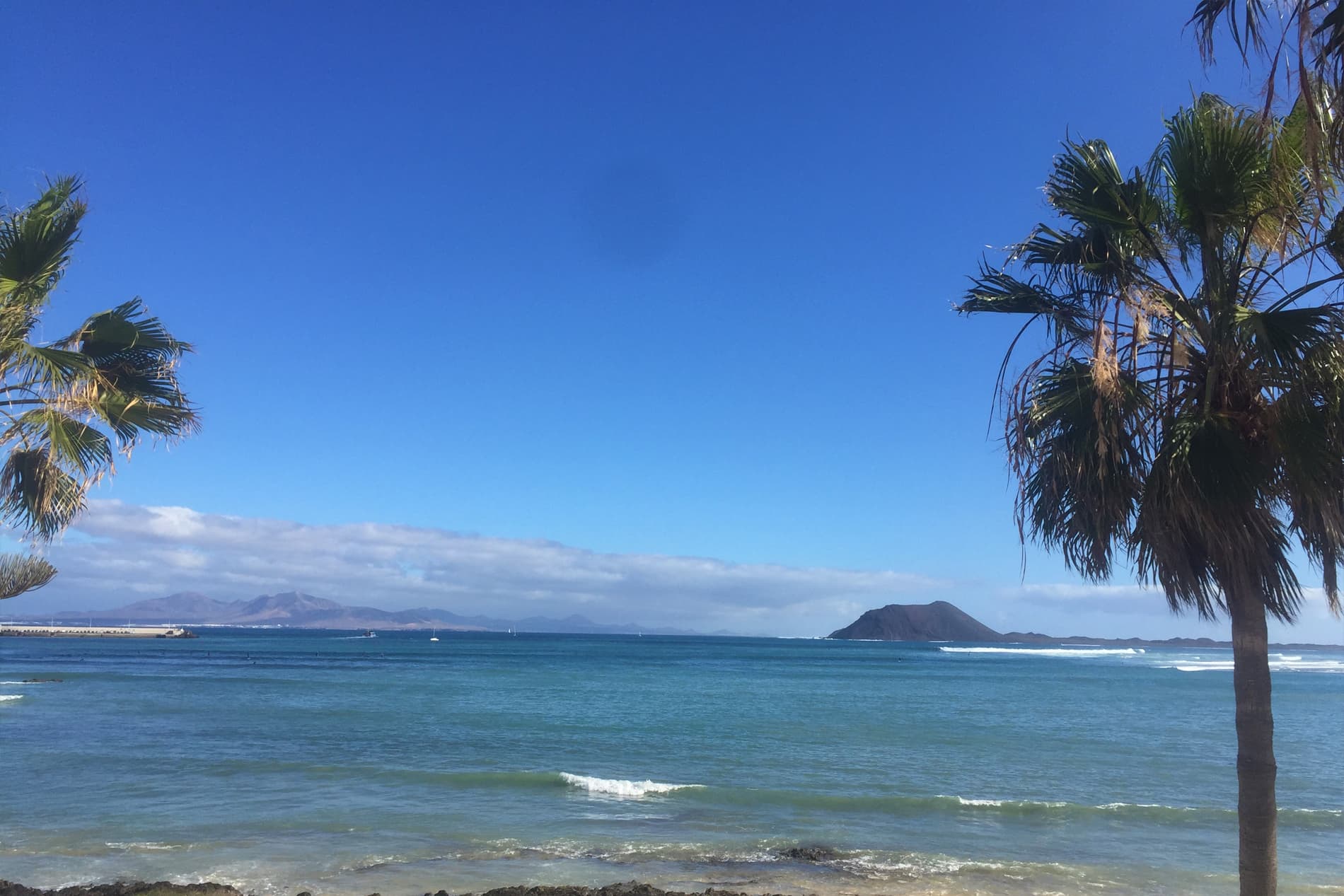
Isla de Los Lobos. Un traghetto di 20 minuti da Corralejo porta su questa piccola isola vulcanica disabitata, con acque cristalline per lo snorkeling e un silenzio assoluto.
Betancuria. L'antica capitale, nascosta in una valle tra le montagne, con una cattedrale del XV secolo e ottimi ristoranti locali.
Playa de Cofete. La spiaggia remota, selvaggia e spettacolare all'estremità della penisola di Jandia. Raggiungibile solo con un fuoristrada o un tour organizzato in jeep.
Cucina & Bevande
La cucina canaria è ben distinta da quella della Spagna continentale. I piatti da non perdere:
- Papas arrugadas: Patate raggrinzite al sale con mojo rojo o mojo verde. Il piatto simbolo dell'isola.
- Vieja: Pesce pappagallo, tipicamente grigliato intero.
- Cherne: Cernia, spesso servita con patate e mojo.
- Gofio: Farina di cereali tostati usata in tutto, dal pane ai dolci.
- Barraquito: Il caffè a strati tipico delle Isole Canarie.
Lingua & Informazioni Pratiche
Lo spagnolo è la lingua ufficiale, ma nelle zone turistiche l'inglese è ampiamente parlato. La valuta è l'Euro. Il fuso orario è GMT.
Villa o Hotel?
Per famiglie e gruppi, affittare una villa offre vantaggi concreti: più spazio, una cucina privata, un'area esterna tutta per sé e un'atmosfera genuinamente locale. Le nostre ville sul mare a Corralejo hanno tutto il necessario. Scopri le date disponibili →